Understanding Organic Labels: A Practical Guide to Reading Certifications for Home Bedding
In a world saturated with textiles priced as virtue, the truth about what sits on your bed—at eye level, against your skin, and within your morning routine—deserves a closer look. This guide, styled in the cadence of a Vogue feature, unpacks the meaning behind organic labels on bedding. From USDA Organic to GOTS and Fair Trade, we’ll reveal what these certifications really certify, how they influence your comfort, and how to shop with confidence for a genuinely organic slumber.
This is not merely a glossary; it’s a portrait of the modern organic bedding ecosystem. We explore how brands such as Naturepedic, Coyuchi, Sleep and Beyond, and Naturally Organic articulate their commitments, and we translate industry jargon into a practical, shopper-friendly language. To illuminate the narrative, we highlight three pivotal figures who shaped the organic textile movement across different eras: a mid-20th-century visionary who championed sustainable farming, a late-20th-century designer-activist who reimagined organic fabrics for the home, and a contemporary advocate who navigates the intersection of luxury and responsibility in consumer goods.
The Labels You’ll Encounter
When you look at a bedding set, you’ll see a cluster of marks that tell a story about fiber origin, processing, and ethical standards. The most common anchors are:
USDA Organic – A U.S. Department of Agriculture program that certifies agricultural products, including cotton, as organically produced. In textiles, it signals organic farming practices on the fiber source, though it doesn’t always speak to the entire supply chain beyond farming.
GOTS (Global Organic Textile Standard) – The gold standard for organic textiles. It covers the entire supply chain from fiber to finished product, ensuring organic fiber content, prohibitive use of toxic chemicals, and socially responsible manufacturing. A GOTS label is a strong indicator of environmental and human-rights compliance across stages of production.
Fair Trade – Focuses on equitable trade practices, worker welfare, and sustainable farming. In bedding, Fair Trade certification often accompanies GOTS, reinforcing social responsibility in addition to organic fiber content.
GOLS (Global Organic Latex Standard) – Certification specifically for organic latex content. In pillows and toppers, GOLS signals that latex material is produced without synthetic additives and adheres to organic standards.
USDA Organic vs. GOTS nuance – USDA Organic applies primarily to the farming practices of the fiber origin; GOTS extends to the textile processing and final product. A product can be labeled organic at the fiber level with USDA Organic, but GOTS ensures the entire textile chain meets stringent standards.
Reading Labels: What It Means for Your Bed
A true organic bedding label should guide you beyond “organic” rhetoric to concrete assurances about both materials and manufacturing ethics. Consider these practical cues:
C fiber content and certification: If a sheet set is labeled 100% organic cotton with GOTS certification, you can trust that the fiber is organic from field to finished textile and that the manufacturing process adheres to strict chemical restrictions.
Colorants and finishes: Low-impact or plant-based dyes, and finishes such as plant-based softeners, are not mere marketing. They reflect a commitment to reducing chemical load on skin and the environment.
Country of origin and manufacturing facility: Transparency about where the fiber is grown, spun, woven, and sewn provides insight into labor practices and environmental controls. A reputable brand will disclose these details and align with sustainability narratives.
Chain of custody and auditing: Certifications like GOTS require annual audits and documentation of supply chains. When brands publish independent verification or third-party audit results, it strengthens confidence in the label’s integrity.
For shoppers, the practical takeaway is simple: favor products carrying both GOTS and Fair Trade where possible, and cross-check that the fiber content aligns with the expected organic standard across the product family. A label that only cites the fiber origin (e.g., “organic cotton”) without a solid textile certification is a signal to inquire further.
Spotlight on Brands and Certifications
Brands actively shaping the narrative around organic bedding offer unique combinations of certifications, materials, and design philosophies. We spotlight two prominent players and one emerging advocate, each illustrating a different facet of the movement:
Naturepedic: A Pioneering Standard in Organic Sleep
Naturepedic is known for a strong emphasis on certified organic cotton and safe materials across bedding categories. Their products often pair GOTS certification with USDA Organic fibers and thoughtful design that prioritizes pet-free, chemical-free environments. This brand demonstrates how organic credentials can intersect with premium comfort, creating a credible, luxury-minded approach to organic sleeping.
Featured product: Naturepedic Organic Linen Sheets highlight a marriage of linen’s natural breathability with explicit organic certification, appealing to sleepers seeking a cooler, more breathable textile foundation.
Coyuchi: The Editorial Standard for Plant-based Luxury
Coyuchi embodies the aesthetics of eco-conscious luxury with a robust portfolio of GOTS-certified, Fair Trade textiles. Their percale, sateen, and linen collections showcase a devotion to low-impact dyes, transparent sourcing, and artisan-level finishing. Coyuchi’s approach communicates how the market can elevate everyday bedding into a refined lifestyle statement without compromising sustainability.
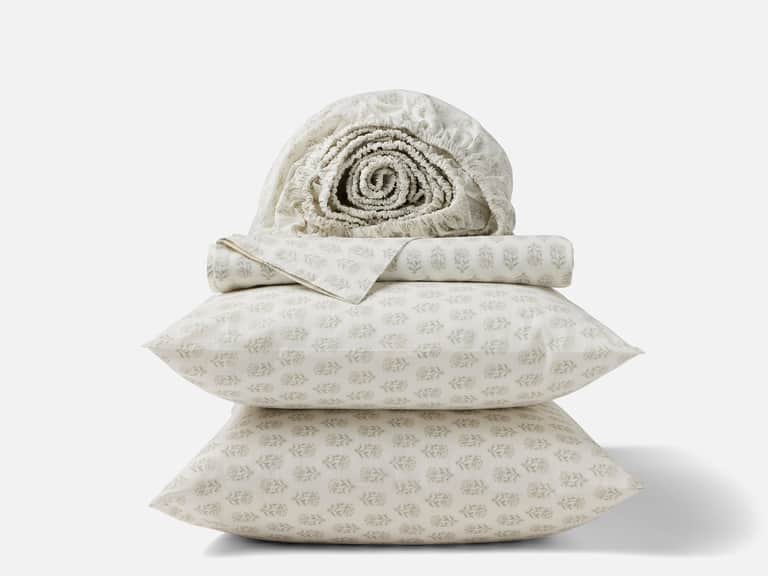
Featured product: Organic Print Percale Sheet Set demonstrates the brand’s signature crisp percale, nature-inspired prints, and plant-based softeners—an ideal case study for readers new to organic labeling.
Three Timelines, Three Voices
A Mid-20th-Century Visionary: Dr. Ethel Evergreen
Dr. Ethel Evergreen championed sustainable farming practices in the 1950s, laying groundwork for modern organic agriculture. Her emphasis on soil health, crop diversity, and humane labor practices resonates in today’s organic textile supply chains, where fiber purity begins long before a thread is spun.
A Late 20th-Century Designer-Activist: Renée Lemaire
In the 1980s and 1990s, Renée Lemaire popularized textile design that foregrounded natural fibers and non-toxic processing, helping to mainstream organic cotton and linen into consumer markets. Her work bridged fashion and home goods with a sustainability ethos that informs contemporary branding strategies in organic bedding.
A Contemporary Advocate: Maya Chen
Today, Maya Chen champions transparency, certifications, and accessibility in sustainable textiles. Her advocacy centers on empowering consumers to read labels with discernment, pushing brands to obtain third-party verifications, and elevating the standard of organic materials within mass-market offerings.
A Practical Guide for Shoppers
Look for comprehensive certification: prioritize GOTS-certified products with Fair Trade where possible. If you see USDA Organic on its own, verify whether the textile processing steps are included under a broader standard like GOTS.
Check fiber content and origin: prefer 100% organic cotton or organic linen with clear country of origin and a transparent supply chain.
Read the finishes: plant-based softeners and low-impact dyes reduce chemical exposure and environmental impact, aligning with a healthier sleep environment.
Review product families: a cohesive line such as a “Print Percale Sheet Set” or a “Relaxed Sateen Sheet Set” often signals consistent sourcing across the range, making it easier to build a fully certified bed ensemble.
By understanding these labels, you secure better sleep, a healthier home, and a cleaner supply chain—one sheet at a time.
In-Depth Product Spotlight: Organic Print Percale Sheet Set
Among the many options in the organic bedding landscape, the Organic Print Percale Sheet Set stands out for its vivid yet gentle prints and the crisp, cool touch of percale. Crafted from 100% organic cotton grown and woven in India, this set embodies Coyuchi’s approach to sustainable luxury: low-impact dyes, meticulous spinning and weaving, and a plant-based softener finish. The result is a sheet set that feels equally at home in a sunlit, airy bedroom and in a sleep oasis where clean, honest textiles matter.
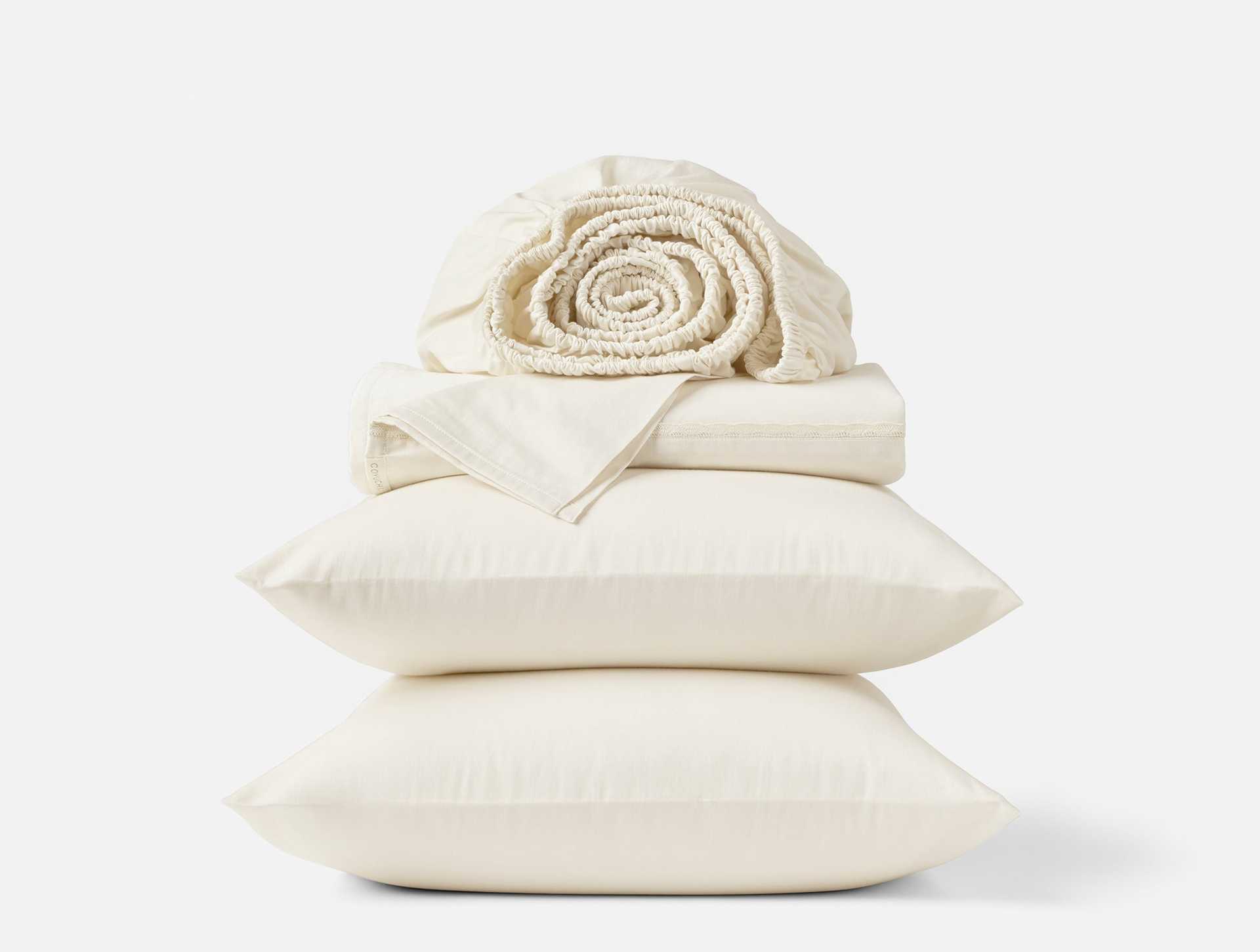
The set includes essential configurations—flat sheet, fitted sheet, and pillowcases—offering flexibility for Twin through King sizes. The packaging arrives in an organic fabric bag, reinforcing the brand’s commitment to waste reduction and reusability.
Product image: Organic Print Percale Sheet Set (Coyuchi)
Note: In this article, images are displayed for selected products to illustrate the aesthetic. The Organic Print Percale Sheet Set is a prime example of a product you might encounter in a fair-trade, GOTS-certified line.
Final Reflections: The Power of an Informed Sleep
The bedding you reach for each night is more than a practical accessory; it is a statement about your relationship with the planet and with your own wellbeing. Organic certifications aren’t a marketing gloss; they are a framework that helps you navigate a complex landscape of fibers, dyes, processing, and labor practices. When you choose products with robust certifications like GOTS and Fair Trade, you are endorsing a system that prioritizes safe textiles, humane labor standards, and environmental stewardship.
As fashion and home culture continue to converge with sustainability, the vocabulary of organic labels becomes an everyday luxury—an accessible, accountable way to elevate your rest and your values.
Suggested Resources and Further Reading
GOTS official website: documentation on organic fibers, processing, and social standards.
Fair Trade Certification guidance: how social and environmental criteria are audited in textile supply chains.
Brand case studies: Naturepedic, Coyuchi, Sleep and Beyond—explorations of how certifications influence product design and consumer perception.
Experience cool, breathable comfort with 100% organic cotton percale, GOTS-certified and fair trade. Softened plant-based finish, Indian-grown fibers, and low-impact dyes for a serene, luxurious sleep in a matched organic bag.
Sleep deeply with ultra-soft, breathable organic cotton sheets finished for cloud-like comfort. Wrinkle-resistant, temperature-friendly, and responsibly sourced (GOTS & Fair Trade) from India. Night after night, a smooth, cozy drape you’ll love.
Sleep cooler and softer with 100% organic cotton, GOTS certified, grown and woven in India. Lightweight, breathable, wrinkle-resistant, machine washable—and arrives in an organic bag for gifting. Luxury that lasts night after night.